


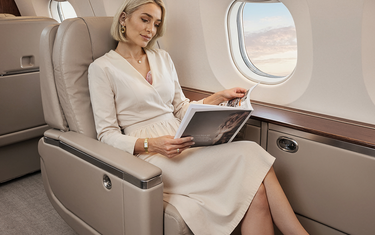
The holidays often mean a flight to see family, a long drive across the state, or a few nights in a guest room that is not set up for a pumping mom. Pumping while traveling takes a little more planning than pumping at home, but with the right gear and a clear picture of the rules, you can keep your routine going and bring your milk home safely.
TSA Breast Milk Rules: What to Know Before You Fly
The TSA treats breast milk as a medically necessary liquid, so the usual 3.4 ounce limit does not apply. Here is what to expect at the checkpoint:
- Larger amounts are allowed: breast milk over 3.4 ounces (100 milliliters) is allowed in your carry-on and does not need to fit in a quart-sized bag.
- Tell the officer first: let the officer know at the start of screening that you are carrying breast milk, and take it out of your bag so it can be screened separately.
- Ice packs are allowed too: ice packs, freezer packs, and gel packs used to keep breast milk cold are allowed in your carry-on, even when you are not carrying milk. Packs that are partially frozen or slushy are screened the same way as the milk.
- Your baby does not have to be with you: you can bring breast milk through the checkpoint even if your child is not traveling with you.
- Clear bottles help: milk in clear, translucent bottles is easier to screen. Milk in bags or pouches may not work with bottle liquid scanners, so you may be asked to open them if feasible.
- X-ray is your choice: the TSA says its X-ray machines are not harmful to food, and the CDC notes that X-rayed milk is safe to feed your baby. If you prefer that your milk not be X-rayed or opened, ask, and expect additional screening of you and your carry-on items.
The CDC adds that you can bring your breast pump and pump kit through security and onboard, and recommends checking your airline's policy before you travel. Give yourself extra time at security, and consider carrying a printed copy of the TSA rules. Many airports also have lactation rooms or pods, so check your airport's website before you go.
What to Pack for Pumping on the Go
A good travel kit means you are not scrambling for a missing valve in a relative's guest room. Here is what to bring:
- A portable or wearable pump: the CDC notes that a manual or battery-powered pump may work best in a car or on a plane. The Spectra 9 Plus portable rechargeable breast pump has a built-in rechargeable battery and weighs 0.5 pounds, according to its Storkpump product page. If you use a wearable, review these tips for pumping with a wearable before your trip.
- A backup plan: the CDC recommends a backup, such as hand expression or a manual pump like the Spectra Handy Plus manual breast pump, in case a battery runs out.
- Chargers and adapters: bring your charger. The CDC notes that some pumps can use a car adapter, and that international travel may call for an electrical adapter or converter.
- Extra pump parts: the CDC suggests extra sets of parts if you will not be able to clean them between sessions.
- Storage bags: the CDC recommends breast milk storage bags or clean, food-grade containers with tight-fitting lids. Lansinoh breast milk storage bags lay flat in the freezer and stand upright in the fridge.
- An insulated cooler with frozen ice packs: this is how the CDC recommends transporting freshly expressed milk.
- A small cleaning kit: the CDC suggests a brush, dish soap, and a drying rack or mesh bag, plus hand sanitizer with at least 60 percent alcohol.
Still choosing a pump for your trip? Our portable breast pump guide compares the types side by side.
Keeping Your Schedule Across Time Zones and Long Drives
The CDC recommends pumping as often as you would normally feed your baby, if possible, and notes that expressing milk while you are away from your baby can help you maintain your supply. When you cross time zones, it can help to plan sessions by the hours since you last pumped rather than by the local clock.
- Map out your sessions: note where each session will fall, such as at the gate, during a layover, or at a rest stop.
- Pump as a passenger or while parked: Motif Medical, a pump maker, recommends pumping while pulled over or as a passenger, and advises against setting up your pump while driving.
- Set up before you go: assemble your pump before you buckle in, and wait until the car is in park to remove or adjust parts.
- Expect a short dip: the CDC notes that supply may drop during travel and usually returns to normal within several days of getting back to your routine.
For a starting framework, see how to create a pumping schedule that works for you.
How Long Breast Milk Stays Safe on the Road
The CDC breast milk storage guidelines are the same on the road as at home:
- Room temperature (77°F or colder): up to 4 hours
- Insulated cooler with frozen ice packs: up to 24 hours, then use, refrigerate, or freeze the milk when you arrive
- Refrigerator: up to 4 days
- Freezer: about 6 months is best, and up to 12 months is acceptable
- Thawed milk: use within 24 hours of being fully thawed in the refrigerator, and never refreeze it
If you are carrying frozen milk, the CDC says milk that still has ice crystals when you arrive can be refrozen, so check your cooler after a few hours. For hotel stays, call ahead and ask for a compact refrigerator in your room. Store milk toward the back of the fridge, where the temperature stays steadier, and label each bag with the date you pumped. For more on filling and freezing, see how to fill, freeze, and thaw breast milk storage bags safely.
Cleaning Pump Parts Away From Home
The CDC recommends cleaning parts that touch milk as soon as possible after each session: take them apart, rinse them under running water, wash them with dish soap, and let them air dry on a clean paper towel rather than patting them dry. When a full wash is not possible right away, the CDC suggests wiping off milk residue with a clean paper towel or using the pump maker's cleaning wipes, then washing with dish soap and warm water before the next use. The CDC notes that careful cleaning matters most for babies younger than 2 months, born prematurely, or with weakened immune systems. Our step-by-step guide to cleaning and sanitizing your breast pump covers the full routine for when you are back home.
Pumping at Holiday Gatherings
A house full of relatives can make it hard to find a quiet moment, so a little planning helps you protect your sessions.
- Ask for a space ahead of time: let your host know you will need a private room for a few minutes at a time, and a spot in the fridge for your milk.
- Label everything: mark each bag with the date you pumped so it stays separate from the holiday leftovers.
- Wash your hands first: use soap and water before you pump, or a sanitizer with at least 60 percent alcohol.
Frequently Asked Questions About Pumping While Traveling
Can I bring breast milk on a plane without my baby?
Yes. The TSA says your child does not need to be present or traveling with you. Tell the officer at the start of screening, and remove the milk from your bag so it can be screened separately.
Can I bring ice packs through TSA for breast milk?
Yes. The TSA allows ice packs, freezer packs, and gel packs used to keep breast milk cold in your carry-on, even when no milk is present. Partially frozen or slushy packs are screened the same way as the milk.
How long can breast milk stay in a cooler while traveling?
The CDC says freshly expressed milk can stay in an insulated cooler with frozen ice packs for up to 24 hours. When you arrive, use it right away, refrigerate it, or freeze it.
Is it safe for my breast milk to go through the X-ray machine?
The TSA says its X-ray machines are not harmful to food, and the CDC notes that X-rayed milk is safe to feed your baby. If you prefer to skip the X-ray, ask the officer and expect additional screening.
Get Travel Ready Before the Holidays
A week or two before your trip, gather spare parts, stock up on storage bags, and do a practice session with your travel setup. If you need a pump that is easier to carry, look at the Spectra 9 Plus and the other pumps available through Storkpump. Coverage depends on your insurance plan, and the Storkpump team checks your coverage for you. Then pack your breast milk storage bags and enjoy the time with your family.
Next Steps
When you are ready to plan for pumping, browse breast pumps and keep your supplies on hand. The myAPP download lets you check order status, pay bills, and contact the AdaptHealth team in real time, so you can spend less time on logistics and more time with your baby.

Sources
- Transportation Security Administration. Traveling with Children. https://www.tsa.gov/travel/tsa-cares/traveling-children
- Transportation Security Administration. Is Breast Milk, Formula and Juice exempt from the 3-1-1 liquids rule? https://www.tsa.gov/travel/frequently-asked-questions/breast-milk-formula-and-juice-exempt-3-1-1-liquids-rule
- Centers for Disease Control and Prevention. Travel Recommendations for Nursing Mothers. https://www.cdc.gov/infant-toddler-nutrition/breastfeeding/travel-recommendations.html
- Centers for Disease Control and Prevention. CDC Yellow Book: Travel and Breastfeeding. https://www.cdc.gov/yellow-book/hcp/family-travel/travel-and-breastfeeding.html
- Centers for Disease Control and Prevention. Breast Milk Storage and Preparation. https://www.cdc.gov/breastfeeding/breast-milk-preparation-and-storage/handling-breastmilk.html
- Centers for Disease Control and Prevention. How to Clean and Sanitize Breast Pumps. https://www.cdc.gov/hygiene/about/about-breast-pump-hygiene.html
- Motif Medical. Tips for Breast Pumping in the Car. https://motifmedical.com/blog/tips-for-breast-pumping-in-the-car
- Storkpump. Spectra 9 Plus Premier Portable Rechargeable Breast Pump. https://storkpump.com/products/spectra%C2%AE-9-plus-premier-portable-rechargeable-breast-pump
- Storkpump. Breast Milk Storage Bags. https://storkpump.com/products/breast-milk-storage-bags-50-pack


 Acreditado por ACHC